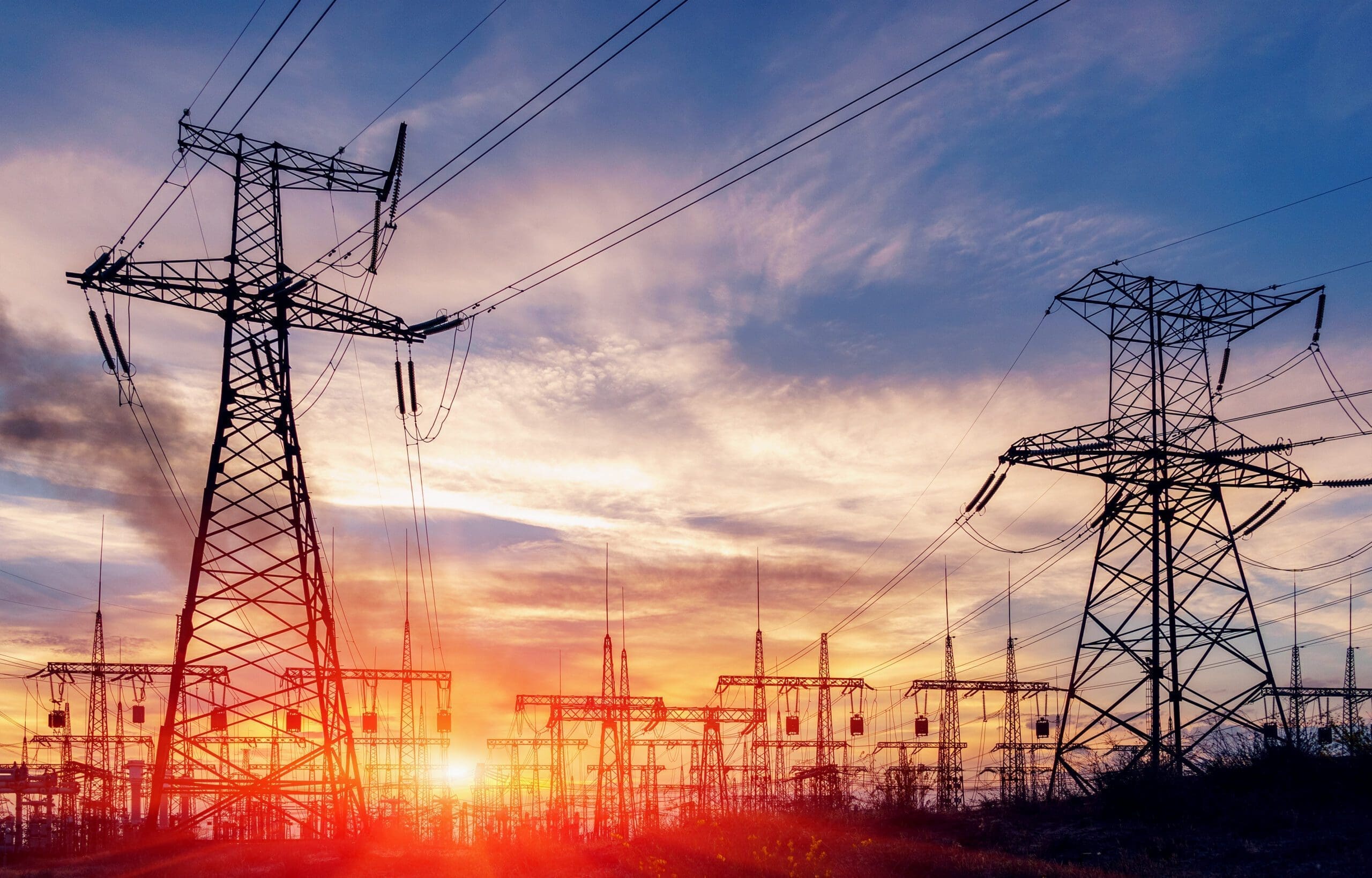
Alabama Power, alongside Georgia Power, received a record $26.5 billion loan from the U.S. Department of Energy to be used for upgrading both states’ electrical grids.
The loan will be split between the two utility providers, which are both subsidiaries of the Southern Company, with Georgia Power receiving $22.4 billion and Alabama Power receiving $4.1 billion. Both utility providers plan to use the money to build new natural-gas fueled power plants and upgrade existing power plants in order to better account for the power demands of new data centers.
By subsidizing the cost of expanding the energy grid, the loan is meant to help lower costs for utility customers in the state, with U.S. Energy Secretary Chris Wright saying that the Department of Energy is “focused on driving down costs.”
Lowering utility costs is a new federal focus, with President Donald Trump announcing a “ratepayer protection pledge” in last week’s State of the Union address, as a way to lower utility bill rate hikes linked to data center energy consumption. Trump’s plan relies on tech companies providing their own power for data centers, but it is unclear how this plan will work or if tech companies will sign on to the plan.
“These loans will help lower the cost of investments in our grid that will enhance reliability and resilience for the benefit of our customers,” Southern Company Chairman Chris Womack said.
This loan comes amid criticism of several data center-related projects across Alabama, as well as of the Alabama Public Service Commission, which oversees the utility rates set by Alabama Power.
Alabamians pay the highest rate for energy in the South, with residential customers paying an average of 16.01 cents per kilowatt-hour as of December 2025. Many blame the PSC’s rate stabilization equalization process for causing the high rates. This way of setting utility rates guarantees that utility companies earn a profit and tends to limit public input into rate setting decisions.
A bill, HB392, was introduced by Alabama this legislative session that, according to its supporters, would have brought reform to the PSC by ending popular election of members to the utility board. However, experts said ending popular election of board members would likely have little effect on power bills, and the bill was declared “dead” by lawmakers last week.
Additionally, several data center projects across the state have received criticism from local residents. A massive data center called Project Marvel is moving forward in Bessemer, despite locals’ concerns about the impact the project would have on the environment and their power bills. Concerns were also raised about transparency over the project, as much of the Bessemer City Council signed nondisclosure agreements that limited public discussions of the project during council and zoning commission meetings.
Recently, a proposal to build a solar farm in the small South Alabama community of Stockton has also drawn criticism from locals. The express purpose of the solar farm would be to generate power for a data center in Montgomery — more than 100 miles away. Locals are concerned over the impact the solar array could have on the nearby Mobile-Tensaw River Delta.
Alabama top stories in brief
Most of Conecuh National Forest now open for oil, gas drilling
- Forestry officials announced last week that nearly all of South Alabama’s Conecuh National Forest will now be open for oil and gas drilling.
- National Forests in Alabama had said the organization was considering opening the forest up to drilling in December, prompting criticism from environmental advocates who were concerned that drilling could harm one of the only longleaf pine forest ecosystems that remain in the country. Conecuh National Forest is home to several endangered or threatened species as well, including gopher tortoises and the red-cockaded woodpecker.
- In their decision, forestry officials said they found that drilling would pose no significant harm to the forest ecosystem. This decision opens up approximately 83,000 acres that companies can lease for drilling.
Sixteenth Street Baptist Church lands $300,000 grant
- Birmingham’s historic Sixteenth Street Baptist Church was awarded a $300,000 grant from the African American Cultural Heritage Action Fund.
- The Sixteenth Street Baptist Church, a historically Black church, became a center of the Civil Rights Movement in 1963, when white supremacists bombed the church killing four children who were attending Sunday School services.
- The grant is part of the African American Cultural Heritage Action Fund’s Preserving Black Churches grant program —- an annual grant program that awarded $8.5 million to 33 historically Black churches this year.
- Church leaders have said they will use the grant money to establish a director of development and fundraising role at the church, as well as prioritize fundraising initiatives and creating an endowment strategy for preservation needs.
Legislation renaming Office of Minority Affairs passes state Legislature
- A bill renaming the Alabama Office of Minority Affairs passed the state Legislature last week.
- The bill renames the Office of Minority Affairs to the Alabama Office of Civic Engagement.
- The legislation does not change the function of the office, which was founded in 2016 to advise the governor on “issues affecting minorities, including women, focusing on the improvement of the overall quality of life of minorities, specifically in the areas of education, health, economics, political participation and empowerment, housing, employment, civil rights, criminal justice, and race relations and to draft policy recommendations for addressing those issues.”
- One proponent of the bill, Rep. Laura Hall, D-Huntsville, said the name change would “be more inclusive” of the office’s work and functions, especially as it relates to student civic engagement in the state.
- The Office of Minority Affairs faced criticism from the Trump administration last year, who alleged it supports diversity, equity and inclusion initiatives that the administration condemns.
Ivey signs bill reducing costs of prostate cancer screenings
- Gov. Kay Ivey signed a bill eliminating out-of-pocket costs for prostate cancer screenings for men who are deemed at high-risk of the disease last week.
- The bill, which is named after al.com columnist Roy S. Johnson — who has chronicled his prostate cancer diagnosis and treatment in his columns — requires insurance companies to cover prostate cancer screenings at no cost for men older than 50, as well as for men older than 40 who are at high-risk of the disease.
- Men who are Black; who have a father, brother or son who have been diagnosed with prostate cancer; and men who have genetic markers that indicate increased risk of prostate cancer are considered at high-risk under the bill.
- Alabama legislators passed a similar bill regarding breast cancer screenings last week. That bill is still waiting to be signed by Ivey.
Announcements
- Like most journalists, we are big believers in the importance of civic engagement here at The Sunrise News. As such, Cady Inabinett is working to provide a monthly update throughout this current Alabama legislative session to make staying informed easy. Subscribe to our social media accounts for updates!
Author

Like our work? Then support it!

Want to get early access to columns, unique newsletters and help keep The Sunrise News active? Then support us on Ko-Fi!