Next week’s statewide primary elections got more confusing, in light of the Supreme Court’s decision earlier this week that Alabama can begin redrawing congressional districts.
During last week’s special legislative session, Alabama lawmakers approved a bill allowing the state to hold special primary elections in congressional districts that are redrawn through the redistricting process — nullifying the results on the May 19 primary.
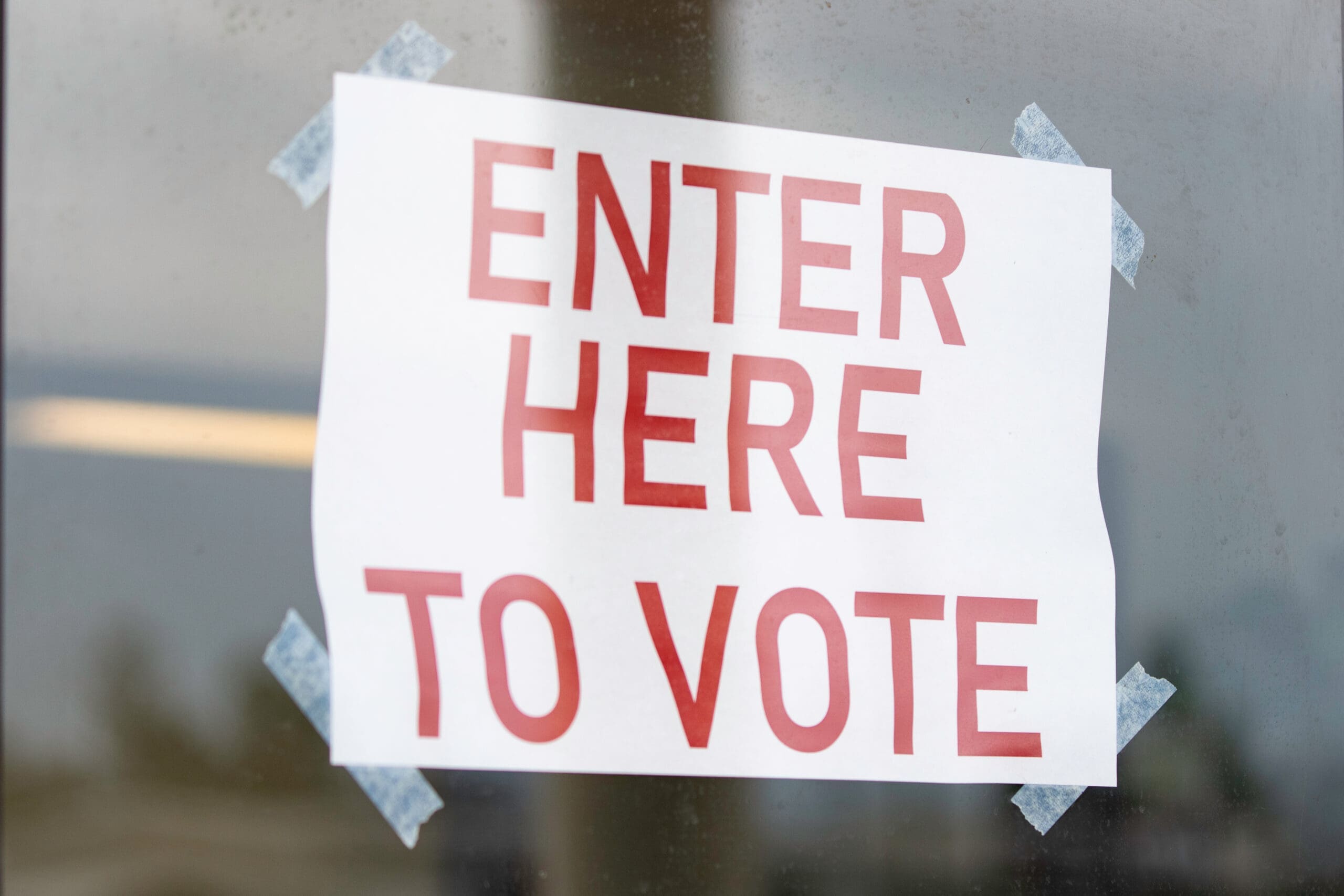
With all of these changes coming just days before the statewide primary election on May 19 and as absentee voting had already started, many Alabamians are confused as to what next week’s election will look like and how the changes will impact their vote. Here’s what you need to know before going to the polls next week:
First, check where you are registered to vote:
You may not regularly think about what congressional district you live in, but which district you reside in may make a difference in what your primary election will look like on Tuesday.
To find out which congressional district you live in you can check your voter registration card or use this interactive map tool from the Alabama Secretary of State’s website. This map is reflective of the newly redrawn districts.
To find your district using this tool, be sure to search for your permanent address where you are registered to vote. If you are unsure of where you are registered to vote, you can check your voter registration status on the secretary of state’s website, as well. This tool will also show you where your polling place is.
What will redistricting and the special election bill change?:
Special elections will only occur in congressional districts that were redrawn following Monday’s Supreme Court decision. This includes Districts 1, 2, 6 and 7.
Only the congressional races — or the races for the U.S. House of Representatives — will be held during the special election in these districts. Congressional races will still appear on ballots on Tuesday, but the results will be nullified for District 1, 2, 6, and 7. In all other districts, Tuesday will still act as the primary for congressional races.
The special election will be held on August 11, Gov. Kay Ivey announced earlier this week.
So, what will be on my ballot?
Several statewide primary elections will still be held and counted in all districts on Tuesday. This includes campaigns for the offices of governor, lieutenant governor, attorney general, secretary of state, state treasurer, state auditor, agriculture commission, public service commission and the U.S. Senate.
Additionally, there are some district and county specific races on some ballots, such as races for the Alabama House of Representatives and Senate and races for county commissions. There will also be two proposed constitutional amendments on Tuesday’s ballot.
You can see a sample of what the ballot will look like in your county on the secretary of state’s website.
How does the primary election work?:
The primary election determines who will appear on the general election ballot in November as each party’s nominee. When voting in a primary election, you will choose which party’s slate of candidates you wish to vote for — either Democrat or Republican — and you will receive a ballot with only that party’s candidates. You can also choose to receive a ballot with only the proposed constitutional amendments on it.
Alabama has open primary elections, meaning that you will not need to be a registered member of either party to vote in their primary election. That said, you can still only vote partisanly on one party’s ballot during the primary election, even if you might vote for candidates from multiple parties during the general election in November.
If any one candidate in any one race fails to get more than 50% of the vote in the primary, then that race will move to a run-off election, which will be held on June 16. In the case of a run-off, you must vote in the same party that you voted for in the primary. For the August 11 special election, there will be no run-off — the majority vote-getter in each of those congressional races will move on to the general election.
If there is only one candidate running within a party for any given office, then that candidate will not appear on the primary election ballot next week. That candidate is, instead, that party’s presumptive nominee and will move on to the general election.
What do I do if I’m voting absentee?:
While it is too late to apply to receive an absentee ballot, you may have already received your absentee ballot in the mail prior to this week’s redistricting.
If you have already received your absentee ballot, you can still vote and mail your ballot as you normally would. Your vote will count for all races, except for the District 1, 2, 6 and 7 congressional races.
Absentee ballots must be received by your county’s absentee election manager by noon on Tuesday if you are voting by mail in order to be counted. If you are delivering your absentee ballot by hand, it must be received by 5 p.m. the day before Tuesday’s election.
In the case of a run-off, you will either have to vote in-person or apply for another absentee ballot. The same will apply for August’s special elections in Districts 1, 2, 6 and 7.
Author

Like our work? Then support it!

Want to get early access to columns, unique newsletters and help keep The Sunrise News active? Then support us on Ko-Fi!