Birdwatching is having a moment. Earlier this year, The Atlantic declared, “All the Cool Kids are Birding.” And, if you’re anything like me, you might have found that being in your mid-20s has suddenly precipitated in a seemingly unshakable need to wake up super early on your one day off of work each week to go walk around and try desperately to see birds other than the 20 or so cardinals you see every day.
If you’re what I like to call bird-curious, then I have great news: this is the best time of year to try birdwatching in Alabama. Currently, North America is knee-deep in fall bird migration, and millions of birds will be passing over our state over the next several weeks — with many species of birds coming to stay in Alabama for the winter. Here’s what you need to know as migration season ramps up:
What is fall migration?
Fall migration is the annual movement of birds throughout North America south to their winter habitats — mostly to South and Central America. It typically lasts from early August through mid-November.
Millions of birds fly south during fall migration along flyways that can be thought of as avian superhighways. Much of Alabama lies on the Mississippi flyway, but parts of eastern Alabama border the Atlantic flyway, meaning the state can expect a wide variety of avian visitors throughout the next several months, including shorebirds, waterfowl and songbirds.
Most migrating birds travel at night. Flying by night helps birds to avoid predators and stay cool while flying. It also allows traveling birds to take advantage of calmer air, as daytime thermal patterns tend to cause more turbulent air. However, light pollution has complicated bird migration, as artificial lights can disorient birds who rely on the moon and stars to navigate during their migrations.
Even though birds migrate at night, you’ll still be able to see a wide variety of avian visitors to the state as they stop and rest during the daytime. Plus, many birds make their winter home in Alabama — more birds reside in Alabama in the winter than during the summer — which means this time of year is an especially exciting time to bird in Alabama.
What birds can I expect to see this fall in Alabama?
Expect a really wide variety of birds, from shorebirds to songbirds, throughout the season. Below are some of the species of birds you can expect to see this migration season, as well as some information on when and where you can expect to see these birds.
Songbirds:
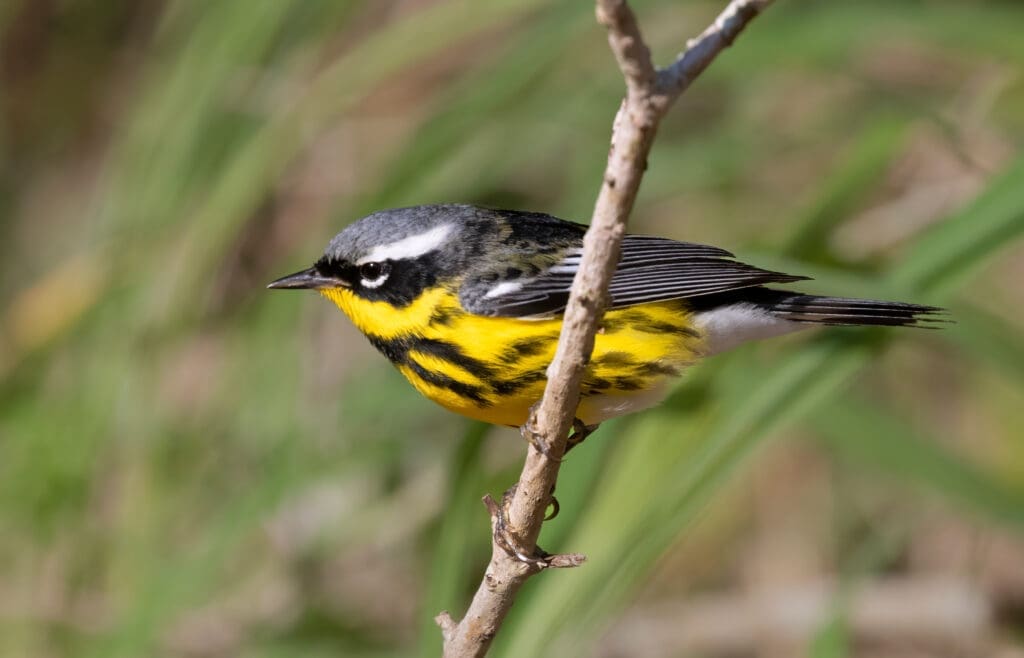
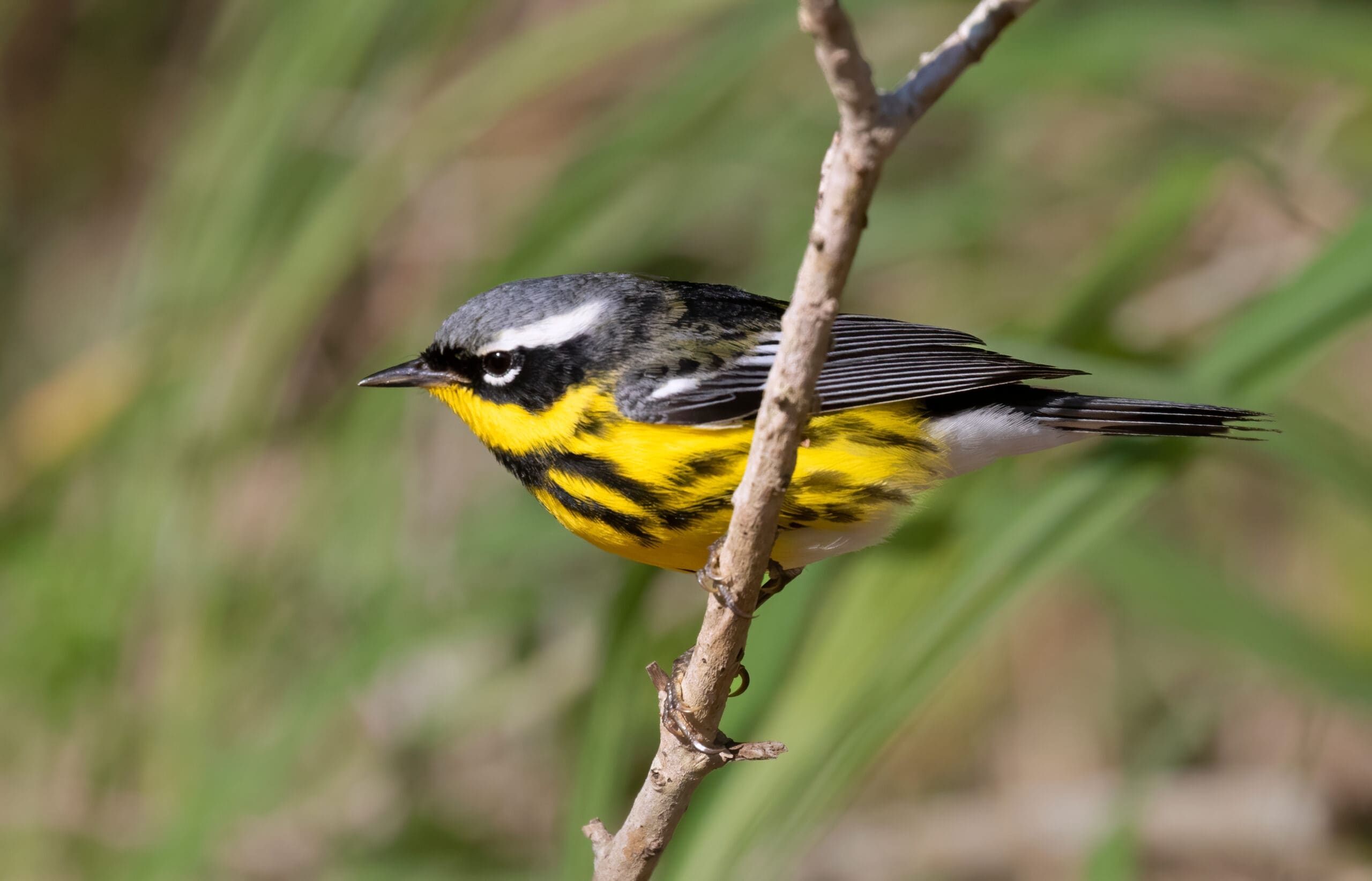
Fall is an especially excellent time to see warblers in our state. A large variety of these songbirds will pass through our state from now through October, typically traveling in flocks. Warblers tend to migrate along southward moving weather fronts, so be sure to look for these birds right after a rain shower or storm rolls through.
During the day, you will be much more likely to hear these cute songbirds than see them, but if your eye peeled then you might be lucky enough to catch a glimpse of some of nature’s most delightful little birds.
Some warblers that migrate through Alabama in the fall do not migrate back through the state in the spring, making fall the best time to catch sight of these birds. This includes black-throated green, golden-winged, magnolia, Tennessee and chestnut-sided warblers. In the Tennessee Valley, you can also catch a glimpse of blue-winged and Canada warblers.
Unlike warblers, some other species of songbirds will start moving into Alabama during fall migration and stay over the winter. This includes blue-headed vireos, ruby-crowned kinglets and golden-crowned kinglets. Both species of kinglets will start arriving in the state in October, and can be seen throughout the state throughout the winter. Blue-headed vireos will start arriving in late September, and will be most common in central and south Alabama throughout the winter.
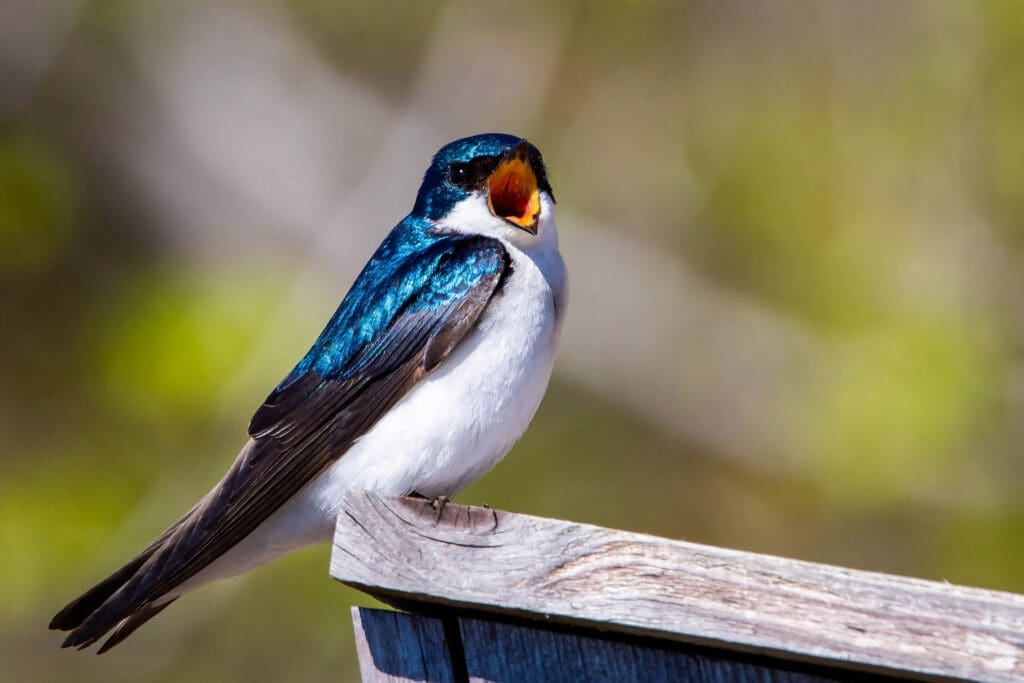
Tree swallows will also pass through the state from September into October. These swallows will remain in Alabama through the winter, but their populations will be concentrated solely along the Gulf Coast.
Raptors:
Raptors will also work their way through the state in the fall, including broad-winged hawks that you can see soaring together in groups called “kettles.” Sharp-shinned hawks and northern harriers will also work their way throughout September and October before they head across the Gulf.
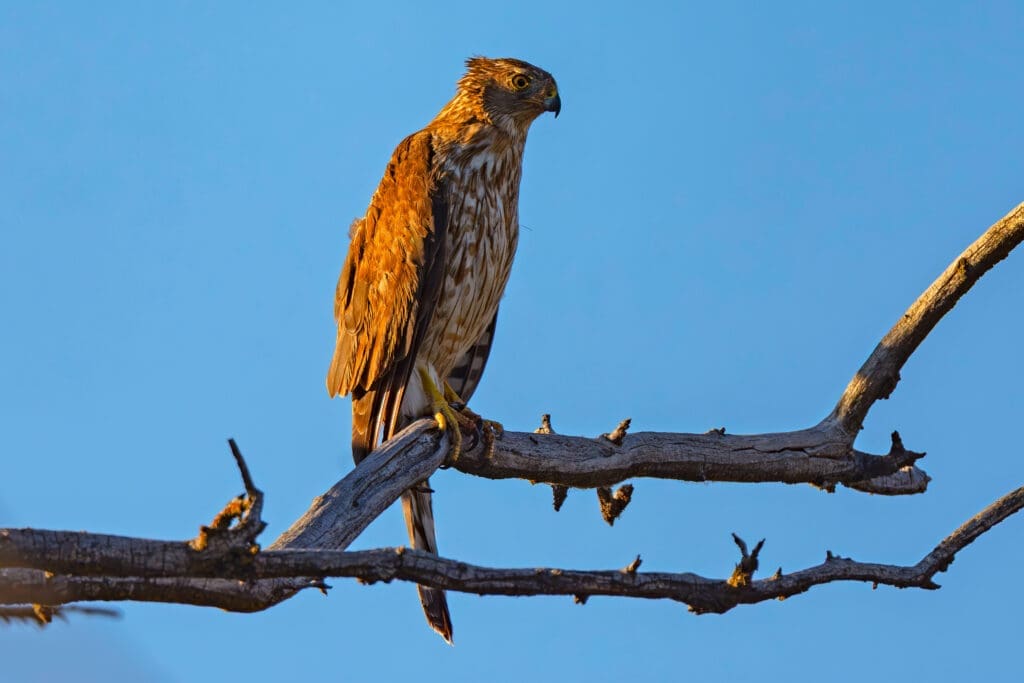
Some other raptors will move into Alabama this fall and stay throughout the winter. Cooper’s hawks tend to move to the coast in October, and while some will fly across the Gulf for the winter, many will stay in South Alabama. Red-tailed hawks — while year-round denizens of Alabama — will also start showing up in our state more frequently in the fall, as they look for more abundant winter food supplies. American kestrels will often stay in the state throughout winter as well, and they can often be spotted sitting on utility wires.
Shorebirds and waterfowl:
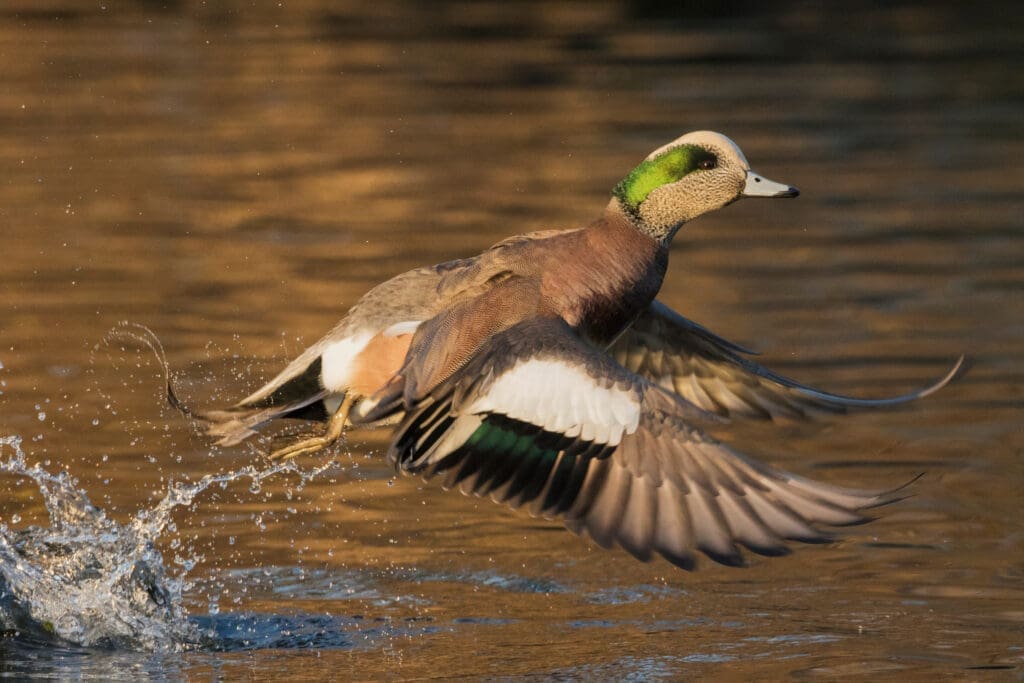
Perhaps more than any other type of bird, Alabamian birdwatchers should get ready to see shorebirds and waterfowl as we move into the colder months. Our state’s abundant waterways and milder climate makes it the perfect winter destination for these birds.
Several varieties of ducks will come to Alabama by the thousands this fall and stay throughout the winter. This will include the American wigeon, mallard, northern shoveler, northern pintail, green-winged teal, ring-necked duck, lesser scaup, American black duck and common loons.
Many of these species of waterfowl will be visible throughout the state from fall through winter, but the best spots to catch sight of these birds will be in the waterways of the Tennessee Valley and in the marshes of the Gulf Coast. Wheeler National Wildlife Refuge in Decatur — famous for being the winter habitat of sandhill and much more rare whooping crane — is a particularly great place to see thousands of waterfowl that call Alabama their winter home.

If you want to turn your fall birdwatching into an excuse to take a beach vacation, Alabama’s Gulf Coast will become a winter home to many varieties of shorebirds as well. Birders on the shore will be able to catch sight of northern gannets, as well as Bonaparte’s and herring gulls.
The Gulf Coast, and especially the barrier islands of Dauphin Island and Fort Morgan, can be great places to catch sight of birds that got caught on wayward winds during their migration. You can set up email alerts for Alabama’s Rare Bird Alert to be notified when there’s been a sighting of a rare bird in the state.
How do I know when birds will be moving through my area?
The Cornell Lab of Ornithology operates BirdCast, a website that is like a weather forecast but for bird migration. BirdCast shows a forecast map, predicting how many birds you can expect to be flying through your area overnight.
For even more information, try using BirdCast’s migration dashboard feature. While the BirdCast forecast map provides an overview of how birds are moving through your area, the dashboard will show you more specifically what to expect, including estimated counts of how many birds will be headed through your area. Try setting the dashboard to your county to get a list of what migrating birds you are likely to see in your area each day.
I’ve never birdwatched before. How can I get started?
Migration season can be one of the best times to try out birdwatching, especially since there will be such a wide variety of birds in our state. There’s no “right” way to birdwatch either. If you spend some time looking at (or looking for) birds; then you’ve birdwatched. That being said, there are some tools out there that can definitely help as you try out this new hobby.
For starters, the Merlin Bird ID app, developed by the Cornell Lab of Ornithology, is a great place to get started as a beginner birder. The app is basically an interactive bird field guide. It can help you identify birds by photo, by the sound of their call or through a step-by-step process. Using Merlin is a great way to familiarize yourself with the birds in your own backyard. Even if you are familiar with common birds in your area, it can be an especially helpful tool when trying to identify migrating birds you might be less familiar with.
EBird, also run by the Cornell Lab of Ornithology, can also be a great online resource. On EBird, you can keep a digitized life list — the list of all the birds you’ve ever seen — by submitting checklists of the birds you see while birding. EBird is also really helpful for finding new places to look for birds through their birding hotspots map, which will show locations in your area where the most species have been sighted by EBird users.
Field guides can be great resources too — and are especially nice if you’re trying to pick up birding as a way to be on your phone less. There are a number of great guides out there, from Sibley’s to Audubon to Stokes’. Check one out from your local library, look for one at your local thrift store or pick one up from the visitor center of your nearest state park. Plus, these books are just fun to look through to see lots of cool birds without actually having to find them in the wild.
And, if you just want to find out what birding terms like “life list,” “big year” and “spark bird” mean, check out the free documentary “Listers” to get a feel of what birding culture is all about. This documentary is absolutely what moved me from being, as I call it, “bird curious” to becoming a committed birder. Whenever I’m out birdwatching and I see a new species to add to my life list, I can’t stop myself from saying “new liferrrrrrr” just like they do in this doc.
How can I help birds as they migrate?
Regardless of if you’re ready to throw your entire life into birdwatching, there’s still some easy things you can do to help keep birds safe and healthy as they migrate this fall. This includes:
- Turning out your exterior lights at night. Artificial lights can disorient migrating birds as they travel at night, leading to fatal building collisions. Turning off your exterior lights between 11 p.m. and 6 a.m. helps decrease the chances of these collisions.
- Making your backyard or patio a stopover station for migrating birds. Putting out and cleaning bird feeders filled with seeds can help birds refuel and gain the nutrients they need during their long journey south. Keeping birdbaths clean and filled with water also helps migrating birds.
- Keeping your free-roaming outdoor pets indoors, especially at night. It is especially important to keep your cats indoors at night during migrating season. The Cornell Lab of Ornithology estimates that outdoor cats kill 1.3-4 billion birds per year. While most of the cats contributing to this number are feral cats, keeping your outdoor cat inside when a high volume of birds will be travelling through your area can help minimize the impact that these non-native predators can have on bird populations.
Author

Like our work? Then support it!

Want to get early access to columns, unique newsletters and help keep The Sunrise News active? Then support us on Ko-Fi!