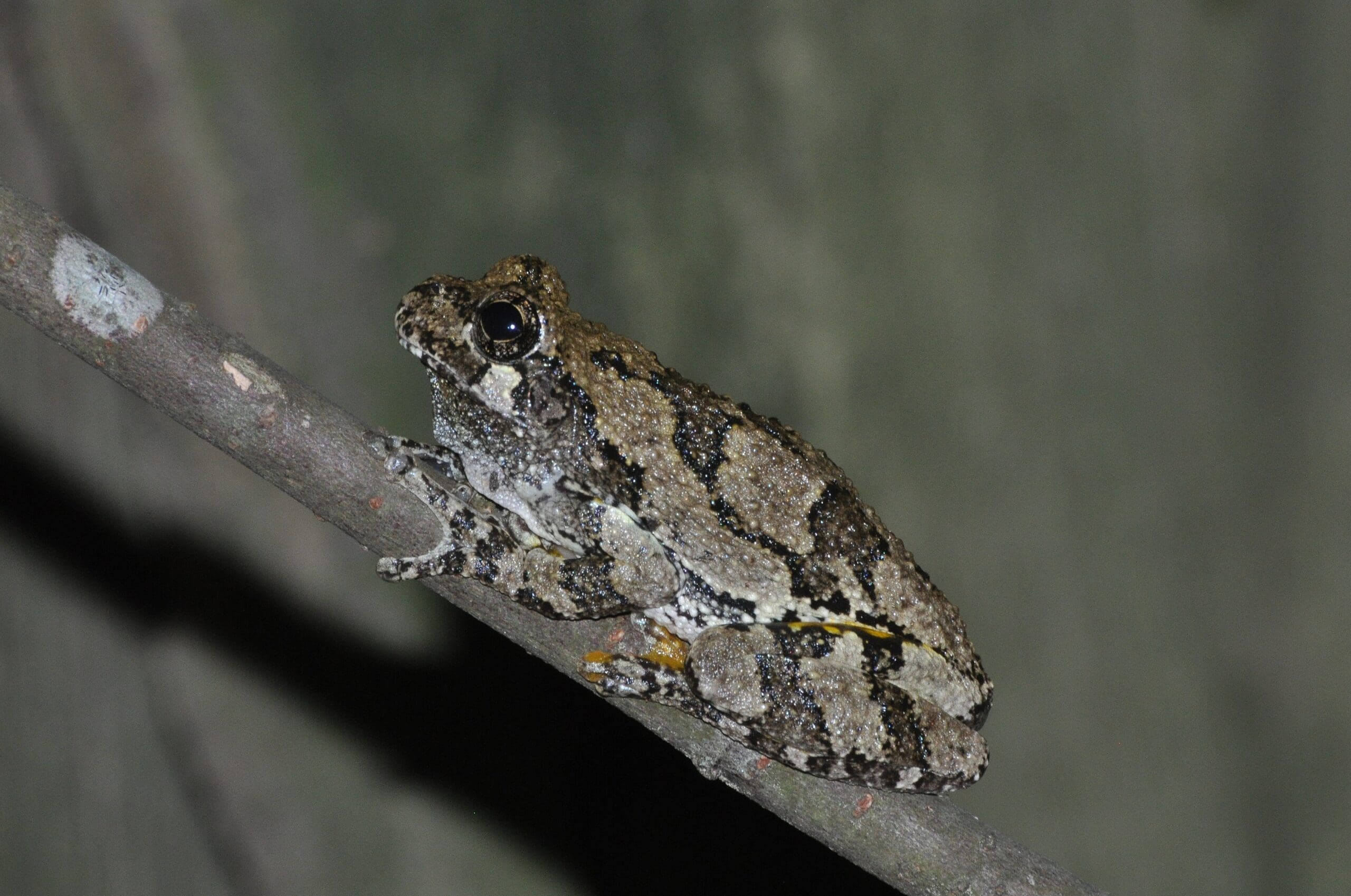
Welcome back to the Longleaf Hiker! Now that you’re familiar with reptiles, let’s talk about our amphibious friends.
As a refresher, unlike reptiles, amphibians have permeable skin, lay jelly-like eggs, often have vocal cords and start their lives in the water, often staying close to or in water in their adult years.
Amphibians include three groups of animals: frogs, salamanders and caecilians. Both frogs and salamanders can be found in Alabama, with 73 native species combined.
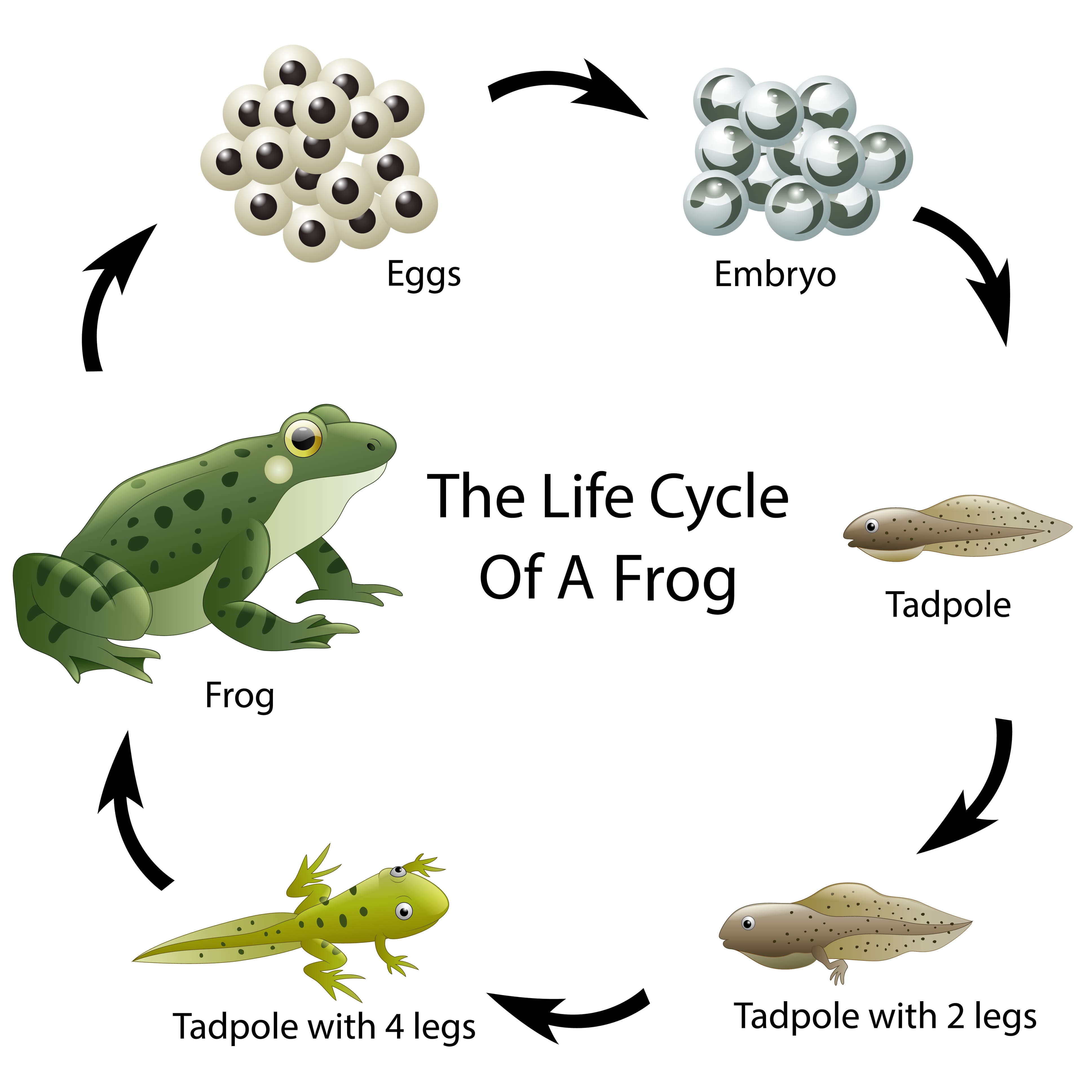
All amphibians start their lives in the water, with eggs laid into and subsequently hatching into water, and spending the first part of their lives completely aquatic. Frogs and toads start as tadpoles and grow into froglets, and eventually become adults.
Amphibians have permeable skin, which means substances can enter and exit from their skin. This means they are sensitive to pollutants in their environment. Chemicals like pesticides can easily kill amphibians, potentially causing the extinction of entire species. Even products like sunscreen, bug spray, lotion or hand soap can threaten an amphibian’s wellbeing, so it’s imperative not to touch amphibians.
It also means amphibians can process oxygen through their skin as well as their lungs. In fact, some species of amphibians don’t even have lungs. Staying moist helps keep our slick friends from drying out, so they primarily stay in wet and humid areas.
Frogs
Frogs have a unique trait that I loved sharing with students, especially if they weren’t very interested in the subject matter at the start of class. Once I told them frogs swallow with their eyeballs, they were suddenly very interested in what else I had to say. It’s a little more complicated than human swallowing, and scientists aren’t sure all species swallow the same way, but there is evidence to suggest leopard frogs use the muscles behind their eyes to aid in swallowing.
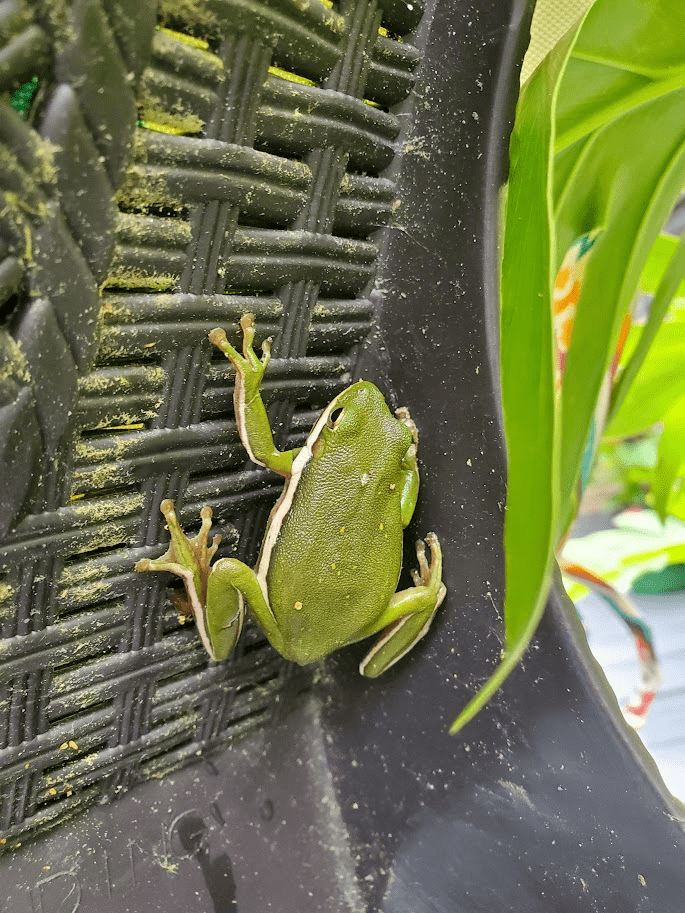
In addition, frog saliva is a non-newtonian fluid, which means that, like our favorite science experiment Ooblek, frog saliva is liquid when it’s sitting in a frog mouth, but when it hits prey, it becomes rock-hard. Adding this trait to the fact that frogs’ tongues are super soft and flexible, rolling a bug up like a blanket, and you have a concrete burrito being swallowed by eyeballs. And they can do all of this in 0.07 seconds.
Salamanders
Salamanders are no less fascinating. Forty-three species call Alabama home, including waterdogs, hellbenders, sirens, newts, amphiumas, mole salamanders and 27 species of lungless salamanders alone.
Salamanders have similar life cycles to frogs, starting their lives in the water, and then living their adult lives on land. Because juvenile salamanders are fully aquatic, they possess gills in order to breathe. This means they closely resemble everyone’s favorite salamander, the axolotl. Axolotls only live in Mexico, but Alabama does have several fully aquatic salamanders such as waterdogs, sirens and hellbenders.
Our fully aquatic salamanders pose a much larger conservation concern because of pollutants and habitat destruction. They are further threatened by the creation of cairns. Cairns are rock stacks that can be constructed by state or national park staff to designate trails. They are also often created by uneducated hikers who don’t realize that the rock stacks can both contribute to the death of wildlife but also lead other hikers off the actual trail. Our amphibious and reptilian friends rely on rocks to hide under and moving them into stacks means they are susceptible to predators and harsh weather. Please do not build cairns.
Unlike other salamanders, newts have three life stages instead of two, and they spend their middle years on land before returning to the water as fully grown adults. When newts are in this terrestrial “teenage” stage, they are called efts.
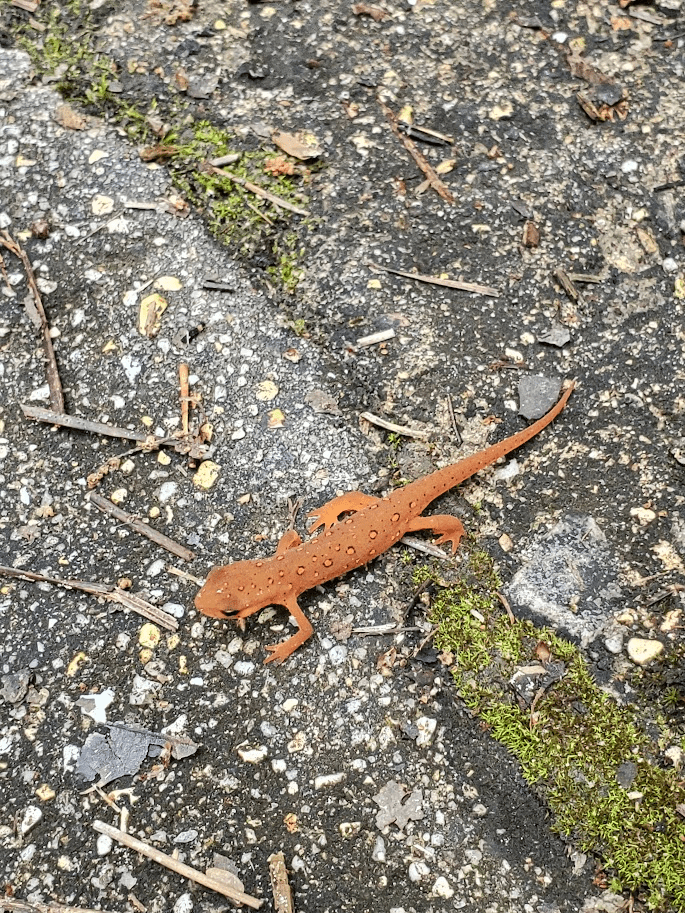
We already know not to touch amphibians because we can harm them, but the eastern newt gives us another reason to keep our hands off – they have toxic skin. This defense mechanism protects them from animals like birds that would love a snack.
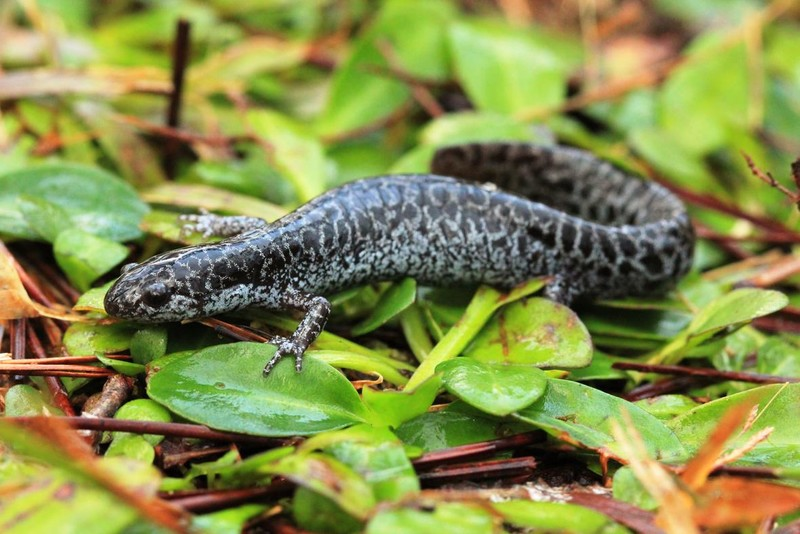
The reticulated flatwoods salamander, also known as the eastern frosted frosted flatwood salamander, is an especially beautiful species, and it faces extinction as habitat is lost and herbicides threaten the remaining land.
If you want to help protect Alabama’s beautiful herptiles, you can support organizations like The Amphibian Foundation in their mission to educate and conserve.
As you explore Alabama, watch out for these beautiful critters, maintain a respectful distance and if you get photos, send them my way by emailing [email protected]. Happy hiking!
Author

Like our work? Then support it!

Want to get early access to columns, unique newsletters and help keep The Sunrise News active? Then support us on Ko-Fi!